Gabe Gribler
See Gabe’s Google Scholar Page for a complete listing of publications Gabe always had a strong proclivity to science and mathematics, with a keen sense of observation and wonder of the physical world around him. While attending the University of Washington, initially looking to continue the family lineage of engineers, he discovered the geosciences, which set out an Observational Framework for viewing and questioning the physical world. After a period of time in primarily geology courses, he was introduced to geophysics that laid out an Analysis Framework to aid in answering many of the questions arising from the Observational Framework (geophysics also helped scratch his math and physics itch). He found himself gravitating towards coursework centered around seismology, including understanding seismic hazards (e.g. earthquake mechanics, geotechnical engineering) and seismic imaging methods (e.g. reflection seismology, global seismology). After finishing a Bachelors at University of Washington, Gabe accepted a Masters degree opportunity at Boise State University, under the direction of Lee Liberty, to work on a project to develop, build, and test a multicomponent seismic land streamer system. The system was used for the rapid collection of active source seismic imaging data along roads, perfectly suited for urban environments, and was put into heavy use for a variety of acquisition campaigns. With the collection of a large amount of data over a wide range of geologically distinct environments, Gabe identified several shortcomings while analyzing the data. He identified a variety of issues with various surface wave analysis approaches (e.g. MASW) when used in environments with very large, sudden changes in velocities. These issues, and the novel processing approaches to address them, were the focus of both his masters thesis and doctorial dissertation. He also identified a variety of other issues with processing these data that could not be solved within the research context. Gabe began discussions with Mike, having a vast development background, on how these problems could be solved, ultimately leading to the creation of GeoFennex and its flagship product NeST. To read in more detail about the origin story, please check out our extended discussion in: Origin Story.Education
Boise State University
University of Washington
Experience
Boise State University: 2013-2019
Select Publications
Bio
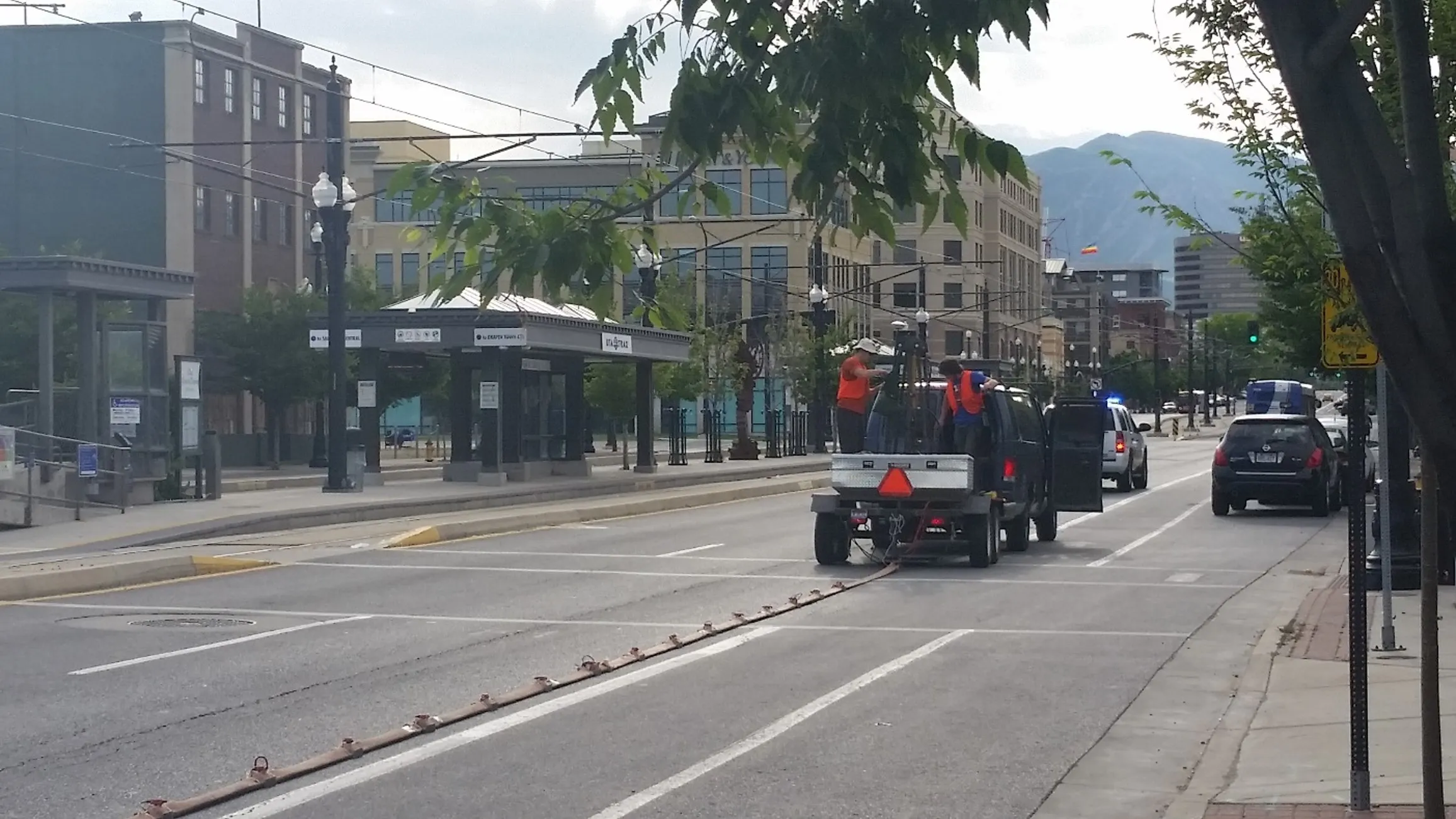
Background During my undergraduate studies at University of Washington, I took a course on active source seismic imaging, primarily focused on refl ...
continue reading...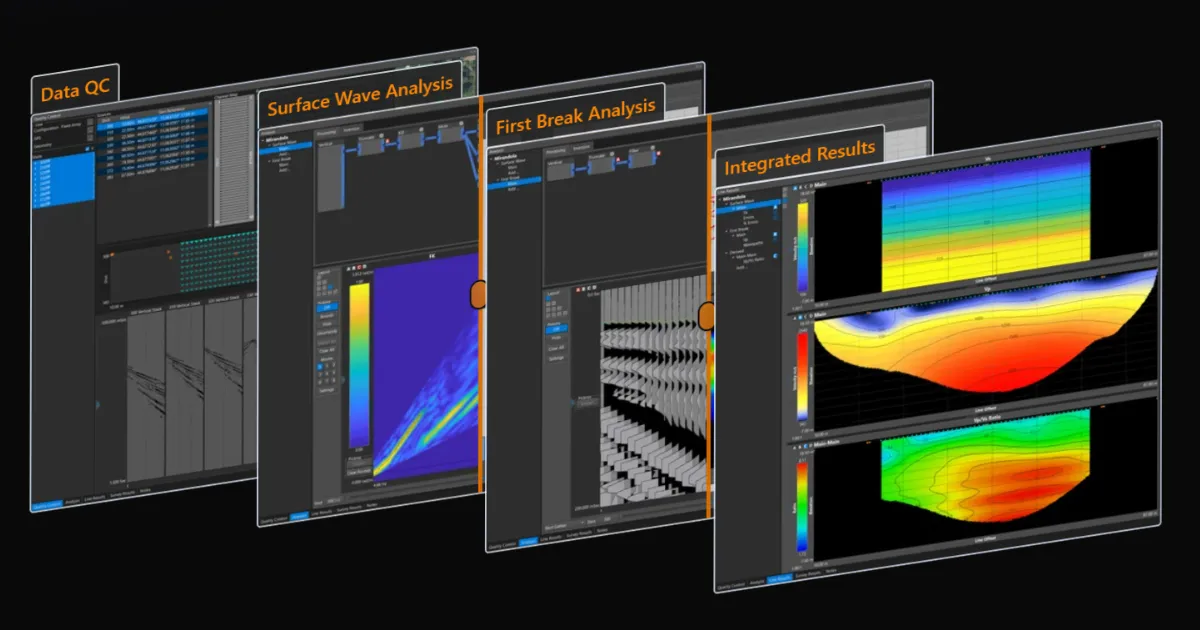
I am pleased to announce the official First Release of our flagship product: the Near Surface Toolkit, or what we like to call NeST. A ...
continue reading...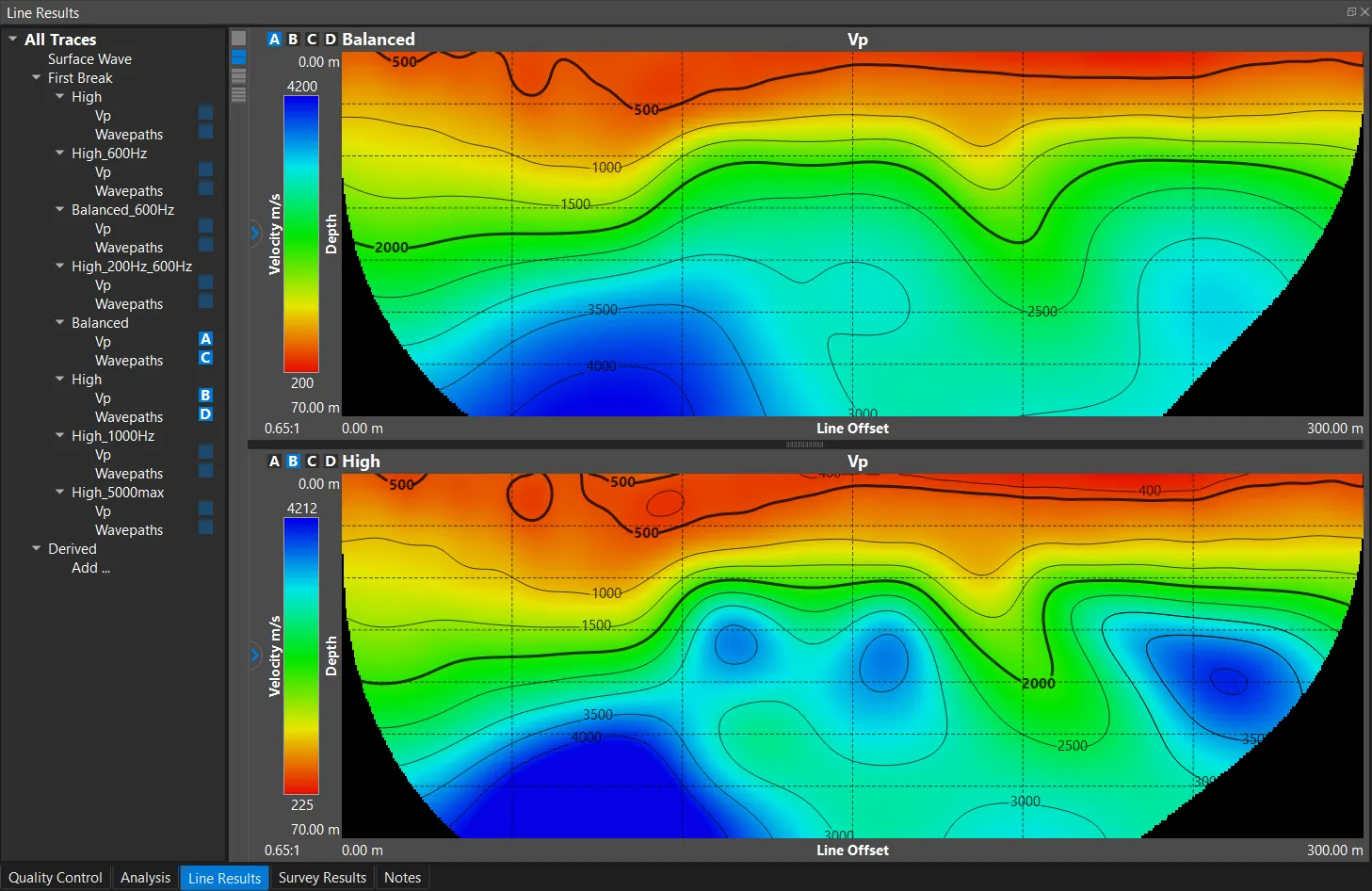
Welcome to our first Benchmark series, where I set out to benchmark our Refraction Tomographic Inversion. Throughout th ...
continue reading...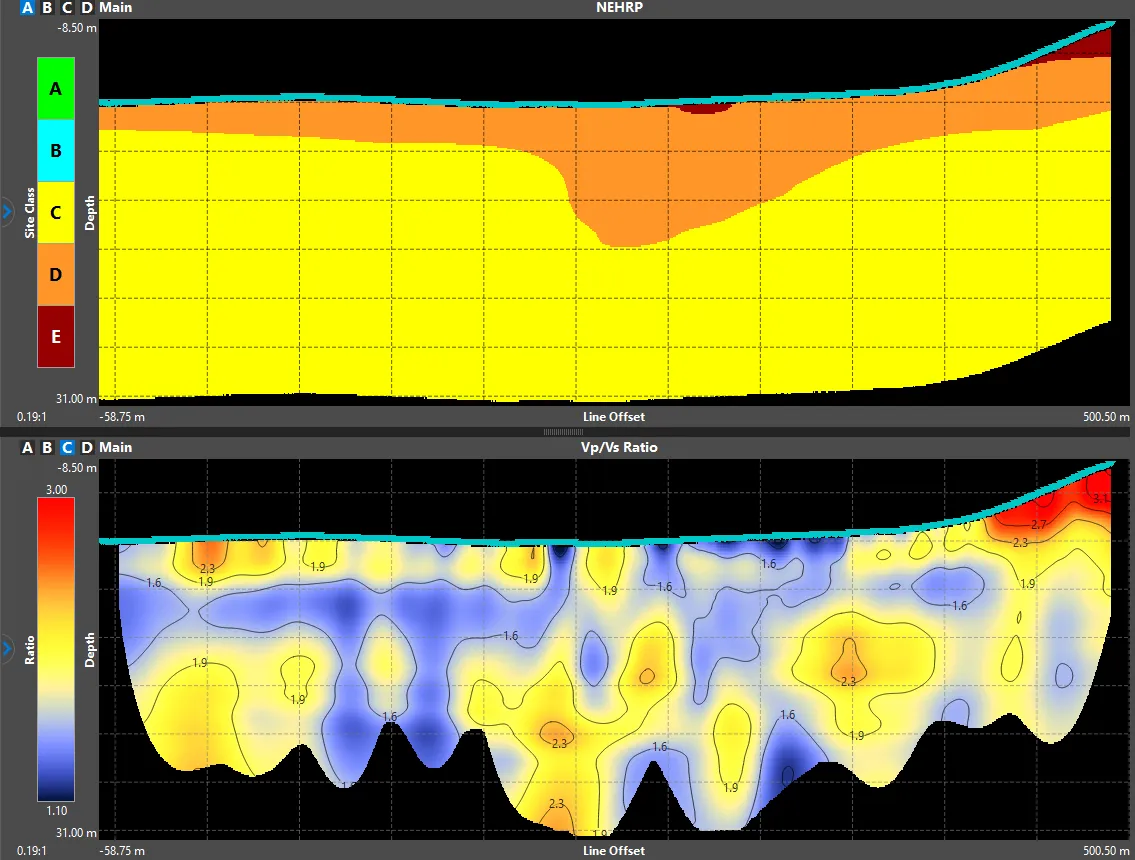
7-to-NeST From the early days of GeoFennex, I asked everyone I talked to what their existing near surface seismic processing workflow looked like a ...
continue reading...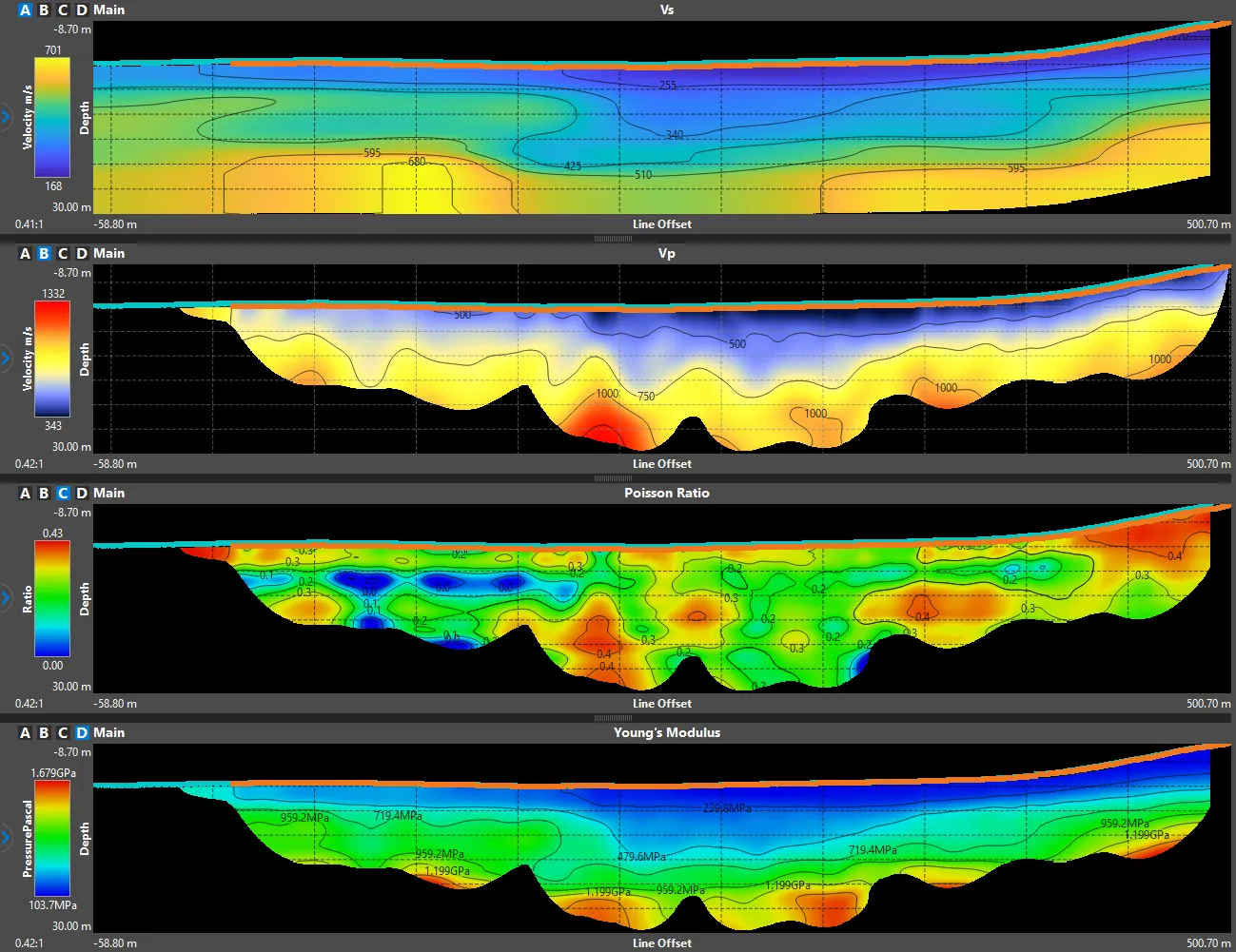
7-to-NeST From the early days of GeoFennex, I asked everyone I talked to what their existing near surface seismic processing workflow looked like a ...
continue reading...
7-to-NeST From the early days of GeoFennex, I asked everyone I talked to what their existing near surface seismic processing workflow looked like ...
continue reading...